SOMA Training
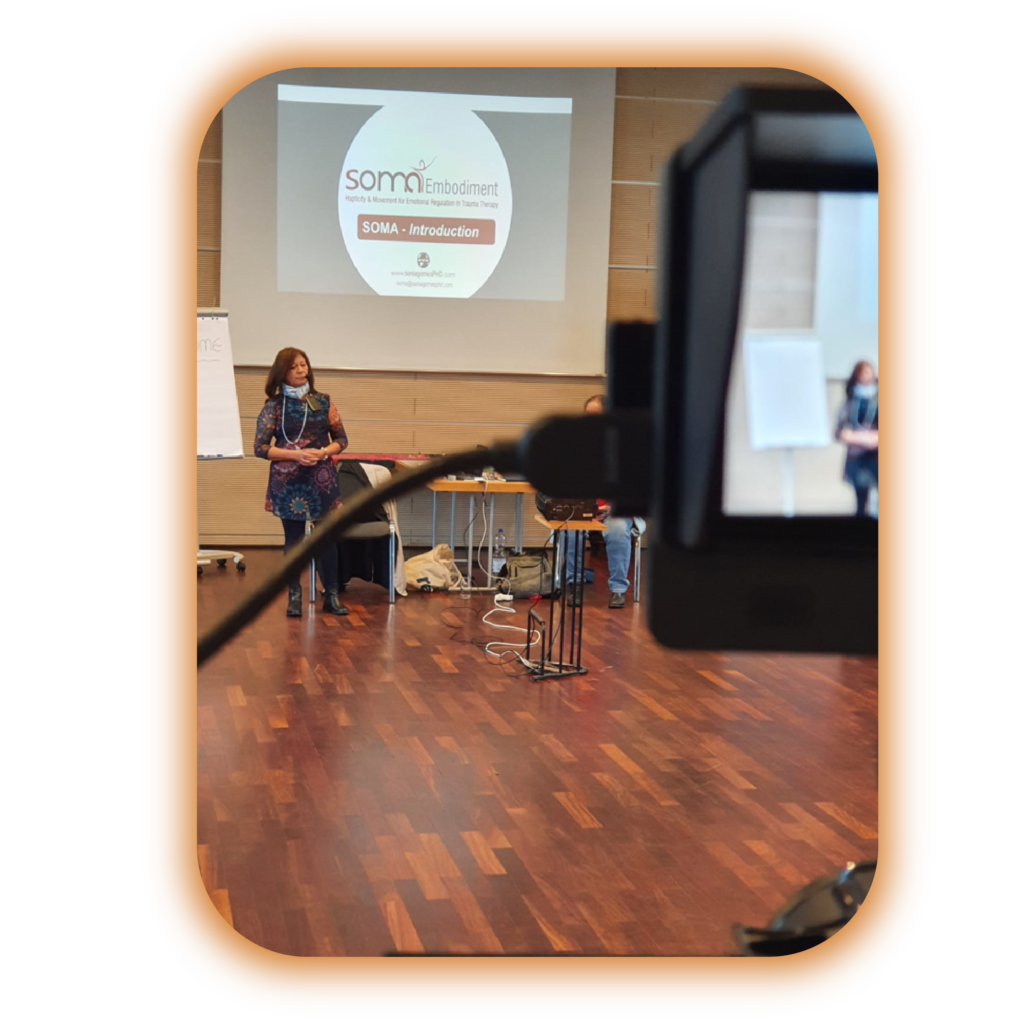
The SOMA-Embodiment training program harmonizes theoretical contents
of trauma therapies, based on modern studies of psychology, physiology and
neuroscience. At the same time, it is a formation of phenomenological bases, in
which the student learns in practice exercises and tools for clinical application.
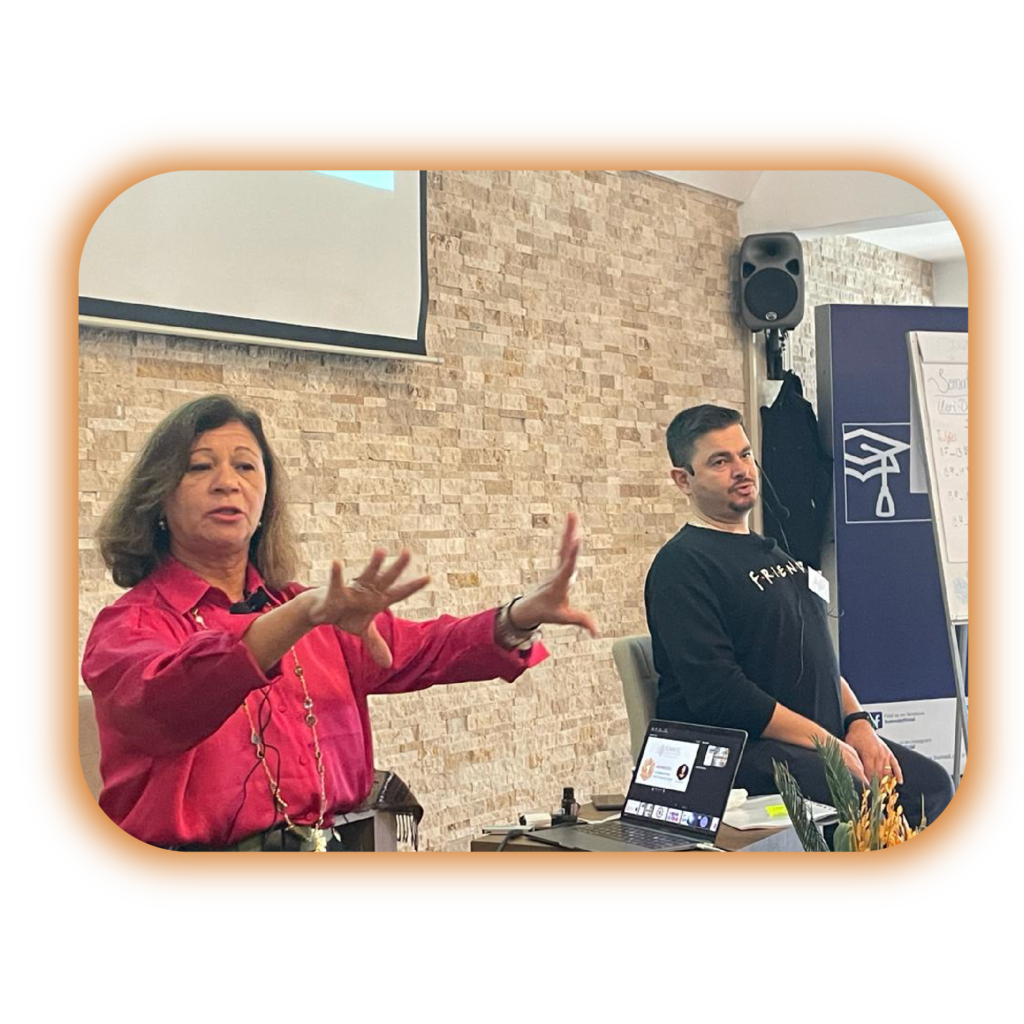
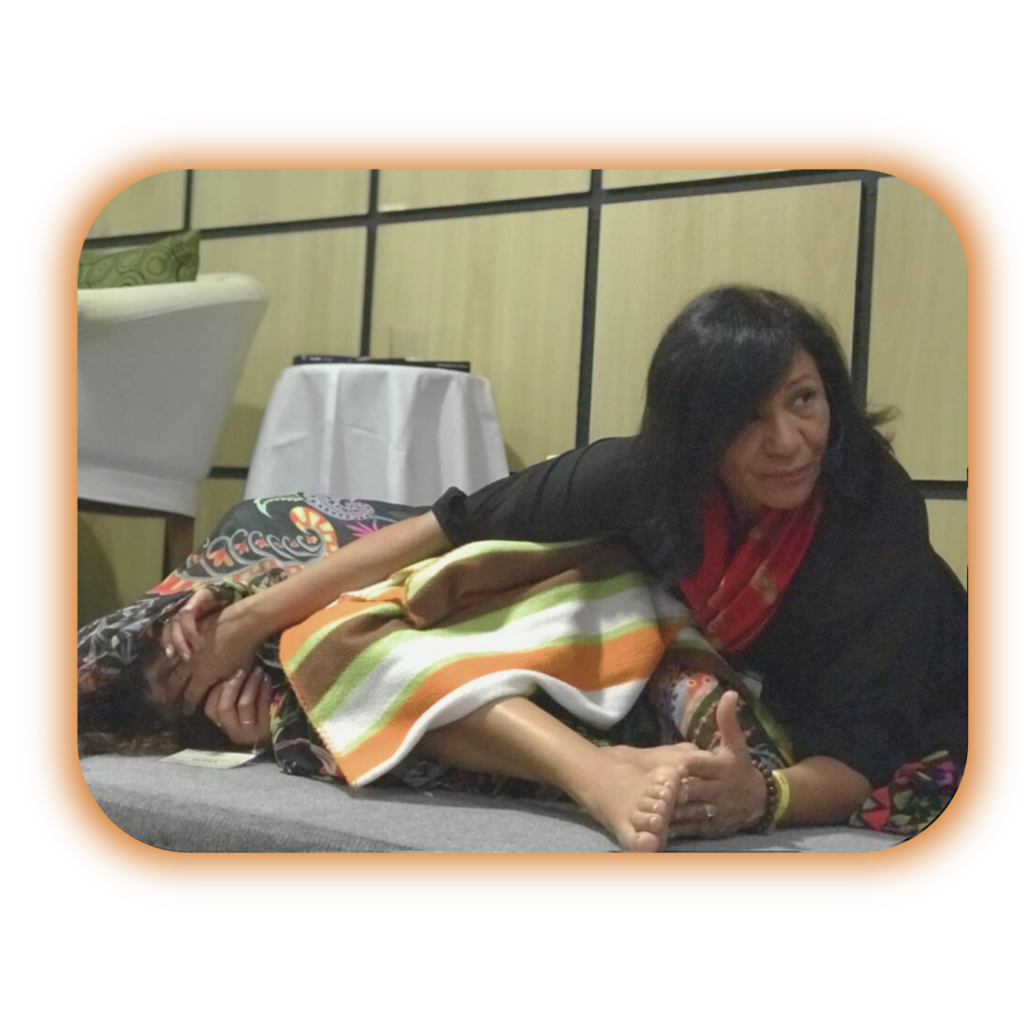
With daily demonstrations of Sonia Gomes, participants have the possibility to
see the applicability of the theory in different traumatic events and to execute
them with the supervision of formed assistants. Here are some of the points that
students develop throughout SOMA-Embodiment’s training:
1. Expansion of the Perceptual System (Hapticity).
2. Restoration of mobility, Breathing, Circulation and rest digestion.
3. Unlocking Traumatic Movement Restrictions.
4. Reestablishment of balance and fluency in movement.
5. Use of resonance and intuition to work with trauma.
The Structure of the SOMA Training Students of SETM, SE Practitioners or professionals who work with Trauma are welcome in this program.
The training in few countries demands three days introduction unit, to be followed by four modules of four days each. Other countries demand 4 modules of 5 days.
Full certification requirements include five personal sessions provided by qualified providers + two supervisions carried out by SOMA providers.

Module 1
• Memory of trauma & Nervous System
• Territoriality & Phoric system as a territory
• Tonic Function (Godard) Tonic/Posture ( Bullinger)
• Embodiment & Perception
• 4 foundation articulations
• Vestibular System & Spatial organization & Kinesphere
• Otholiths, Vergence + gravity
• Fixation & Inhibition
• Safety & Treat in Early development
• When Haptic System in active or Inactive
• Breath
• Practice
• Demos general trauma, Emotional Abuse+ Inescapable + High Impact trauma
Module 2
• Safeth & Treat in early development
• Self-Regulation – Body States
• Interoception
• Touch & Movement in Trauma Healing
• Movement as a component of the posture ( Bullinger)
• Holding seek a geometric correction of the body= it creates defense posture
• How to unfold the holdings created by the body under stress/trauma?
• Finding the “G” point
• Core stability muscles
• Spindle activity maintain muscle tone
• Medical procedures+ transgeracional trauma
• Demos
• Embodiment exercises ( practice)
Module 3
• Bio behavioral reactions of infants & Attachment related
• The neuromuscular spindle is where the psyche meets the body
• Gamma motoneurons: good plasticity is generated by the gamma system
• Pre-perinatal trauma + developmental challanges
• Practice of acts, Movement and gesture of Breath
• Impact of gravity at the breath muscles and how to decompress it
• Demo
Module 4
• Emotional Regulation & Nervous System related
• Basic Emotions & ANS reactions
• Practice of acts, Movement and gesture of Breath
• Impact of gravity at the breath muscles: how to decompress it?
• Tonic/emotion/sensory functions by Bullinger and Winnicott
• Haptic activity accessing the tonic muscles/ stabilizer core muscles
• State of flow
• Sexual Trauma + complex trauma
• Syndromes/disease
• Diaphgram (deepen)
• The Healthy attachment according Maggie Kline
• Demo
• Practice